Milos is worth visiting if you want a rugged volcanic island with more good beaches than you can fit into a week, and it is a poor choice if you want nightlife, a five-star resort strip or a holiday without wheels. This is the fifth-largest island in the Cyclades, roughly 160 square kilometres, and almost all of its rewards are spread out and need reaching.
In this guide
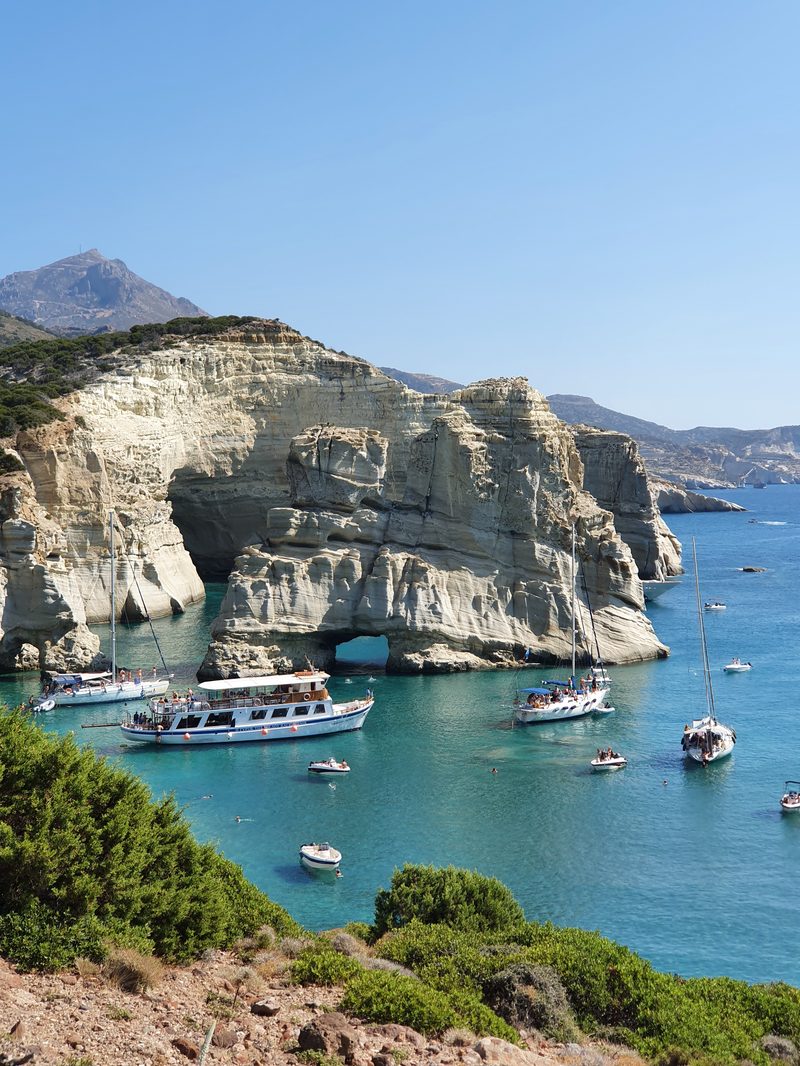
I get asked this more than any other question about the island, usually by people who have seen one photograph of white rock meeting turquoise water and want to know whether the rest lives up to it. The short version: it does, but not in the way the photograph suggests. Milos is not a single view. It is an island of maybe 5,000 residents, shaped like a fist closed around a deep central gulf, with the towns and beds all on the eastern half and the western half left mountainous, roadless in any normal sense, and empty.
That geography is the whole answer to whether the island suits you. If you are happy to drive, hike, boat and generally chase things down, Milos gives back more than islands three times its fame. If you want your holiday delivered to a sunbed within walking distance of your room, it will annoy you by day two.
Who Is Milos Actually For?
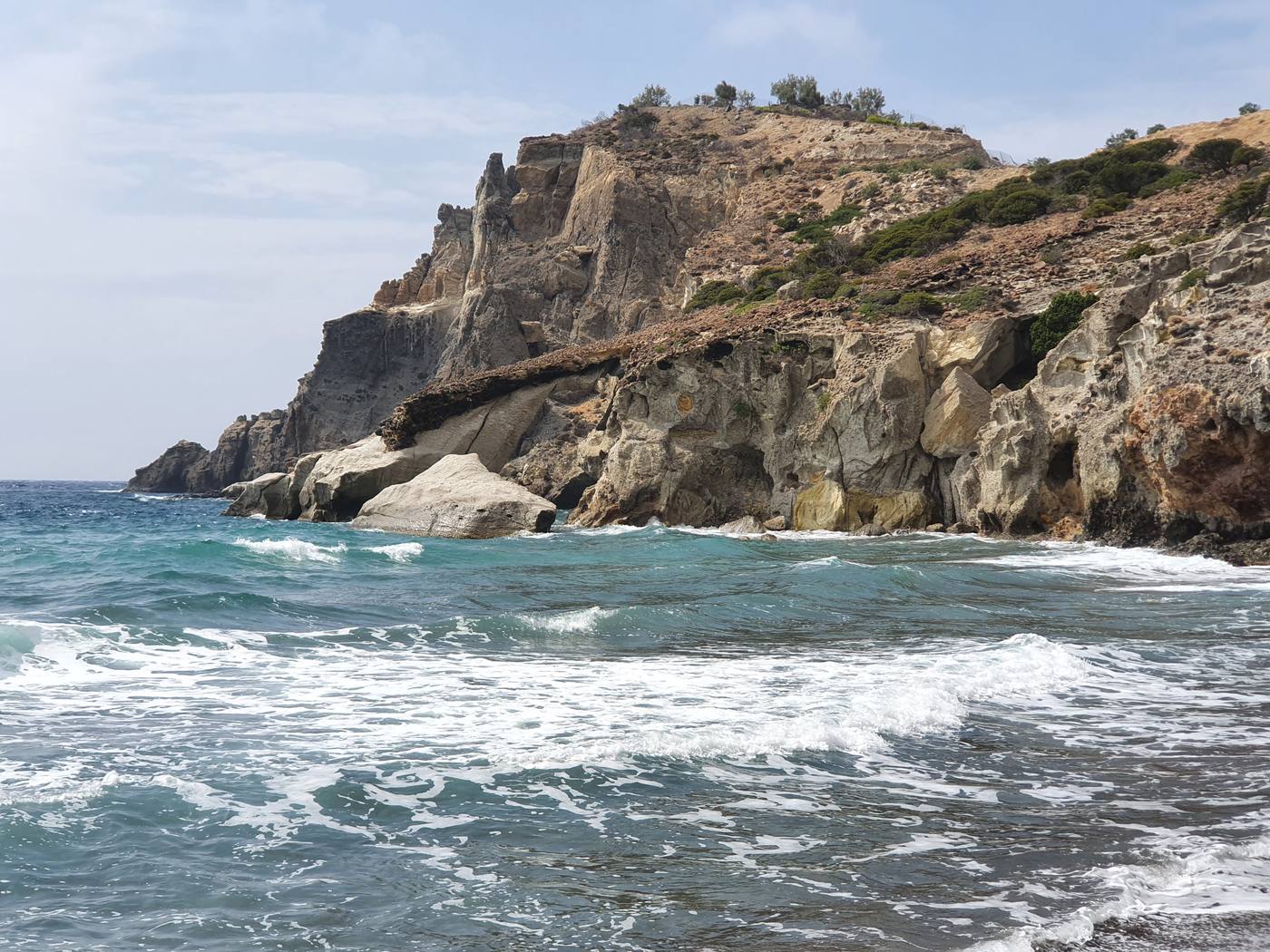
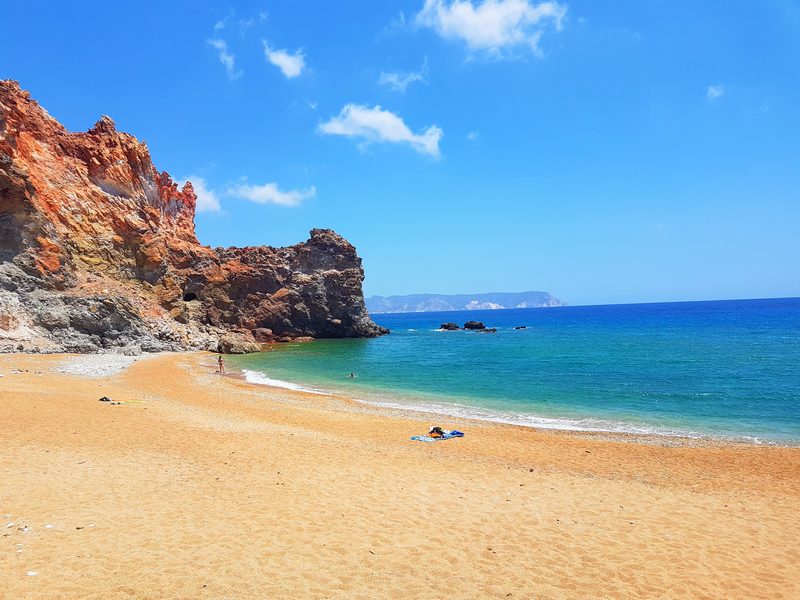
Beach variety hunters. This is the island's real argument. The coastline changes character every few kilometres, from white lunar rock in one bay to red and ochre cliffs in the next, and grey sand warmed from below by geothermal heat somewhere else. Nowhere else in the Cyclades packs that much variation into one island. My guide to the beaches of Milos covers the full spread.
Couples. Long before the international crowd arrived, this was where Greeks came for a romantic week away, a reputation with real age to it. The character of the place still reflects that, in small hotels, quiet dinners and sunsets people actually stop to watch rather than photograph and leave.
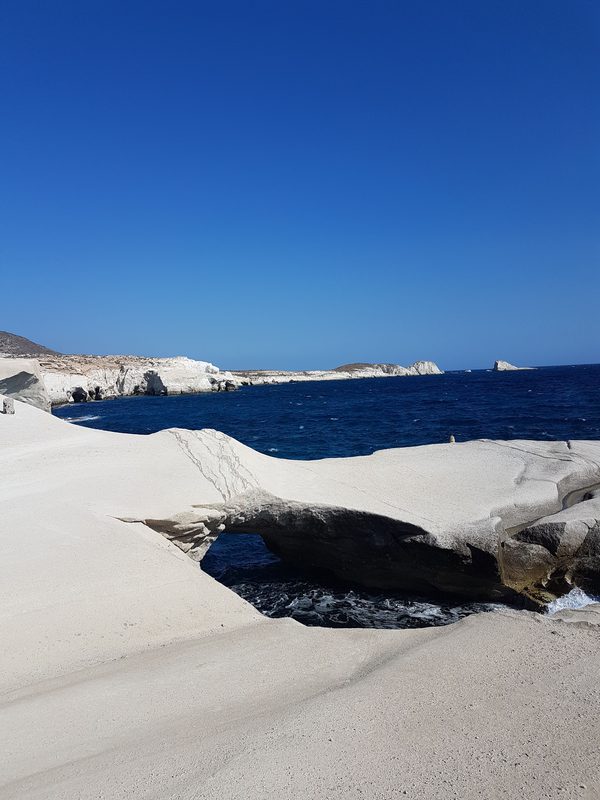
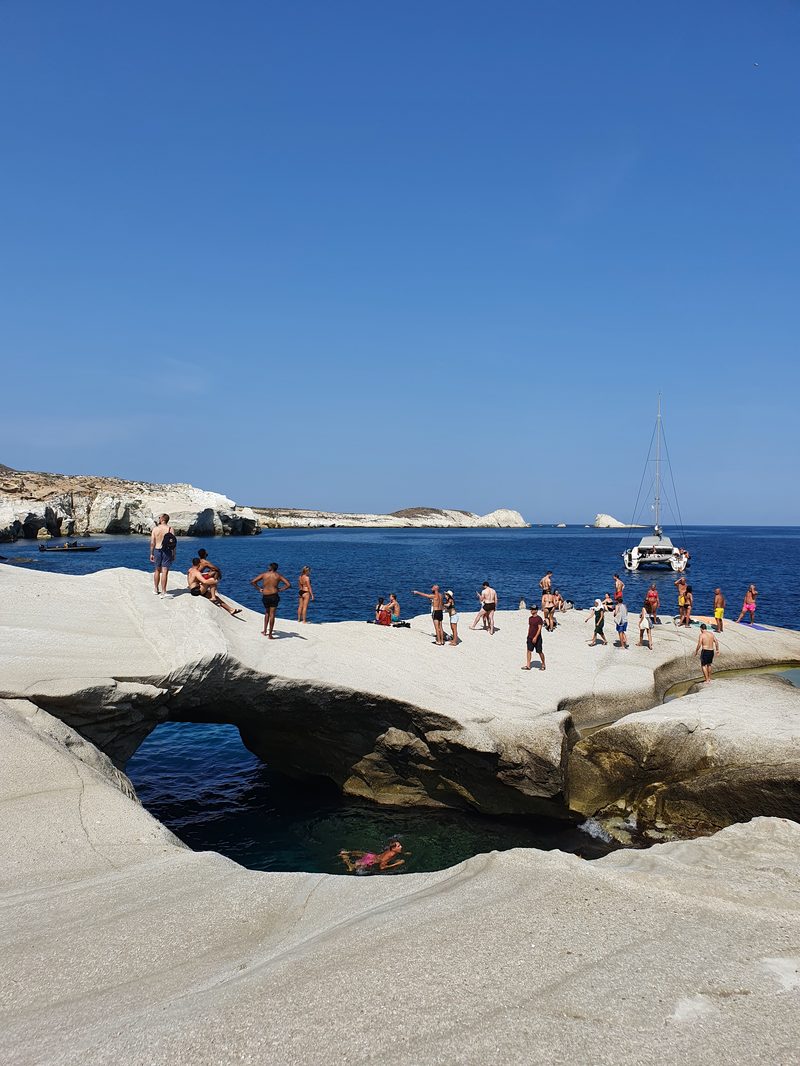
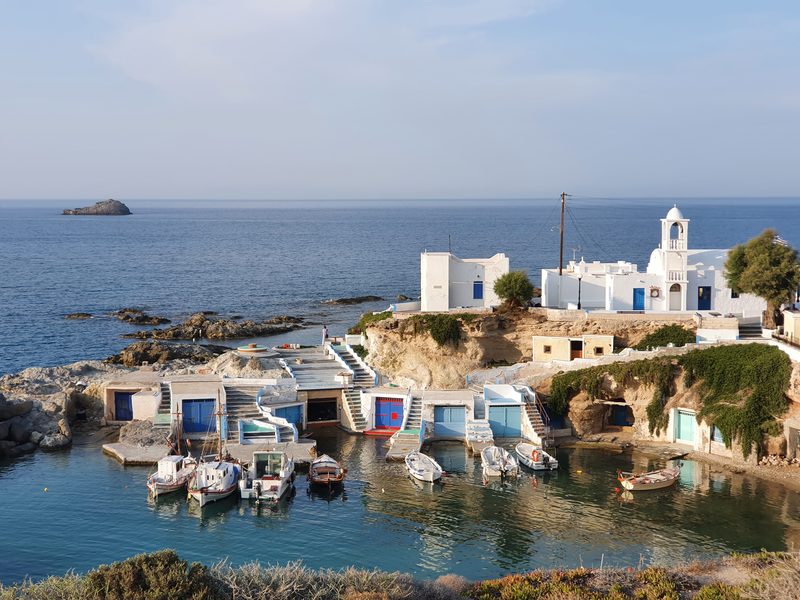
Photographers. The volcanic geology does the work for you. Sarakiniko, with its white rock formations, is the famous one, but the fishing villages of painted boathouses called sirmata are the more distinctive subject and far less photographed.
Walkers. There are rough trails rather than manicured paths, including the climb to Profitis Ilias at 751 metres, and the western side sits inside the Natura 2000 network. It is genuinely wild walking, with the caveat below about the viper.
People who care about food. The tavernas here are a strength rather than an afterthought, and the island's reputation among Greek visitors rests partly on them.
I have been twice, once in the middle of June and once at the very end of September, and the September trip was the better holiday by a distance, with a warm sea, half the cars on the road and every beach still usable.
Who Should Skip It?
Being specific here saves people money.
Nightlife seekers. There is no club scene worth the name. Evenings are dinner, a drink by the water at Adamas or Pollonia, and bed. If that sounds thin, go to Mykonos and enjoy yourself.
Anyone wanting a luxury resort holiday. Tourist infrastructure exists, but it was never built for mass tourism, and the island has no strip of large international resorts. Accommodation skews small, independent and scattered across Adamas, Plaka and Pollonia. The standard has risen a lot, but the shape of the offer has not changed.
Visitors without transport, especially in wind. This is the big one. Without a car, ATV or scooter you are dependent on a limited bus network, and when the wind is up you cannot simply switch to a sheltered beach on the other coast. That is exactly what everyone else will be doing. See getting around Milos before you decide to go car-free.
People who want one perfect photograph and a short trip. If the objective is the caldera shot and a two-night stop, Santorini does that better and more efficiently. The full argument is in Milos vs Santorini.
Is Milos Overrated?
No, but the reputation and the reality have drifted apart, and it is worth naming the gap.
Milos was a quiet, largely Greek destination for decades. Then the beach photographs escaped, the world caught up, and the visitor curve has pointed one way ever since. What people arrive expecting is an undiscovered island. What they find is a well-known island that has not yet been rebuilt around tourism. That is a different and better thing, but not the same thing.
Cruise traffic is the other half of the answer, and it is worth being precise about. Milos is on the cruise map, but at the boutique end of it: 27 scheduled calls across July to November 2026, dominated by small and mid-size ships rather than megaships. The most frequent visitor carries around 1,260 passengers, and several of the others carry a few hundred. Adamas notices a cruise day. It is not reshaped by one. That is a different island from a port taking multiple megaships daily, and it is why the lanes still belong mostly to the people sleeping in them.
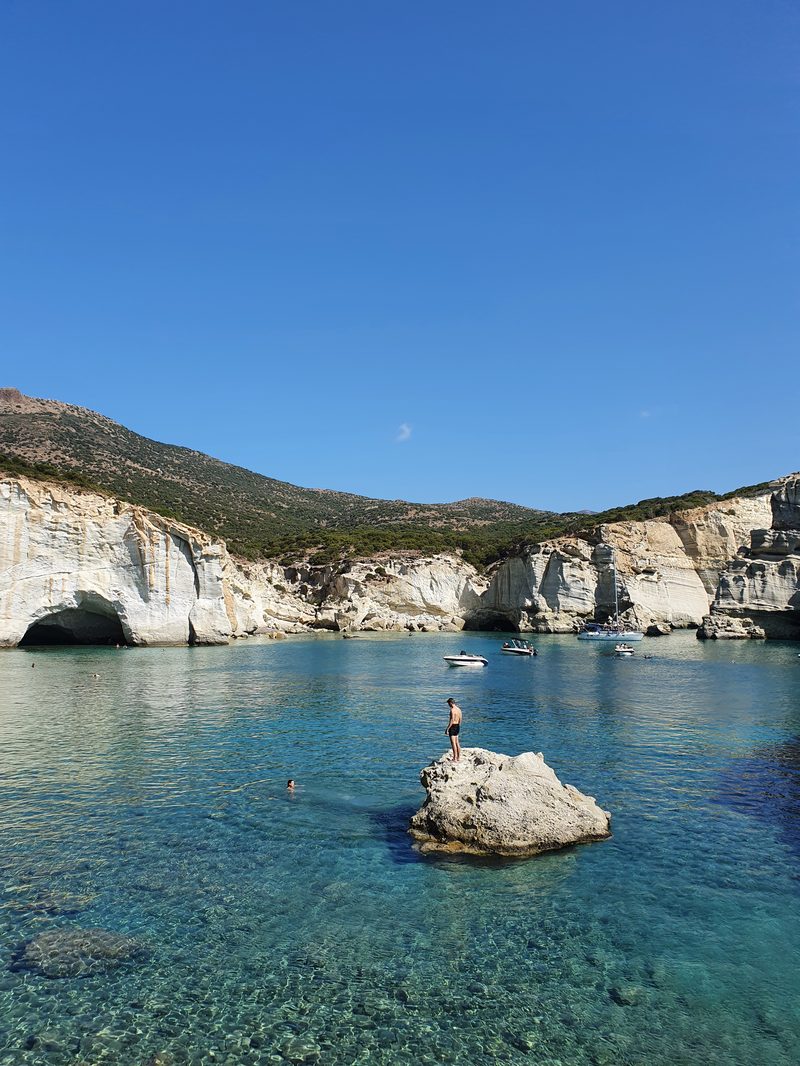
Where it does feel busy is concentrated and predictable. Sarakiniko in the middle of a July day is a queue for parking followed by a crowded slab of rock. The same place at eight in the morning is close to empty. Kleftiko is reached by boat, and in peak season the bay collects a fleet of them. Almost every crowding complaint about Milos is a timing complaint in disguise.
My rule on the island is to do the famous places before nine or after six and give the middle of the day to somewhere with a name nobody recognises. It has never once failed.
What Actually Disappoints People?
The wind. The meltemi runs through the summer and it can shut down a whole coast for a day or two. With a vehicle this is a minor inconvenience, because you drive to the sheltered side. Without one it can cost you your best beach days.
The dirt roads. Several of the better beaches, and effectively the entire western half of the island, sit at the end of unsurfaced tracks. Standard hire cars are typically not covered on them, so check your rental terms. That is why so many visitors end up on an ATV or on a boat trip instead. Nobody mentions this until they are standing at the start of the track.
Arrival at Adamas. The port is functional rather than pretty and it is where the ferry deposits you, frequently at an unsociable hour. First impressions of Milos are mediocre and people write the island off in the first hour. Plaka, a short climb inland, is where the island starts making its case.
Shoulder-season closures. In April and late October a meaningful share of restaurants, rental desks and hotels are shut, and the boat trips to Kleftiko taper off through October and may not be running at all by the end of it, weather and demand dependent rather than fixed to a date. Timing is covered in when to visit Milos.
The red viper. Milos has an endemic viper, macrovipera schweizeri, in the remoter areas. It is a real reason to wear proper boots when hiking and not a reason to stay indoors.
So: Is It Worth It, and For How Long?
Two days is not enough; you will see Sarakiniko, eat in Adamas and leave with a wrong impression. Four to five days is the sensible minimum and a week is comfortable, particularly if you add a day on Kimolos next door. A suggested shape for that is in the Milos itinerary, and if you are weighing the island against a livelier alternative, Milos or Paros is the comparison most people are really making.
Costs are not the bargain some people expect either. The island is well past its cheap years, though it is still under Santorini. A small hire car, at 2026 prices, runs from around 21 to 30 EUR a day in the shoulder months up to 45 to 80 EUR a day in peak season, and accommodation follows the same shape: a real jump from the shoulder weeks to the middle of summer. Full planning detail sits in the Milos travel guide.
The answer, then, is yes, with conditions. Bring wheels, bring four days or more, avoid the famous rocks at noon, and accept that the island asks you to go and find things. Do that and Milos is one of the most rewarding islands in the Cyclades. Refuse to, and it is a long way to travel for a beach.
Milos is the fifth-largest of the Cyclades at around 160 square kilometres, with a population of roughly 5,000 and its towns and beds all on the eastern side. It is reachable by ferry from Piraeus, taking roughly four to seven hours on a conventional boat or under three on a high-speed catamaran, or by a short domestic flight from Athens with Sky Express, about forty-five minutes on a turboprop. Allow four to five days minimum, hire transport, and expect the meltemi to move your plans around.
Planning the rest of your island time? Start with our complete Milos travel guide.
Heading to Santorini? See our guide to the best day trips from Santorini.
Heading to Mykonos? See our guide to the best day trips from Mykonos.
Heading to Athens? See our guide to the best day trips from Athens.
Last updated: 31 July 2026